You Were Never Supposed to Be the One Holding Everything Together

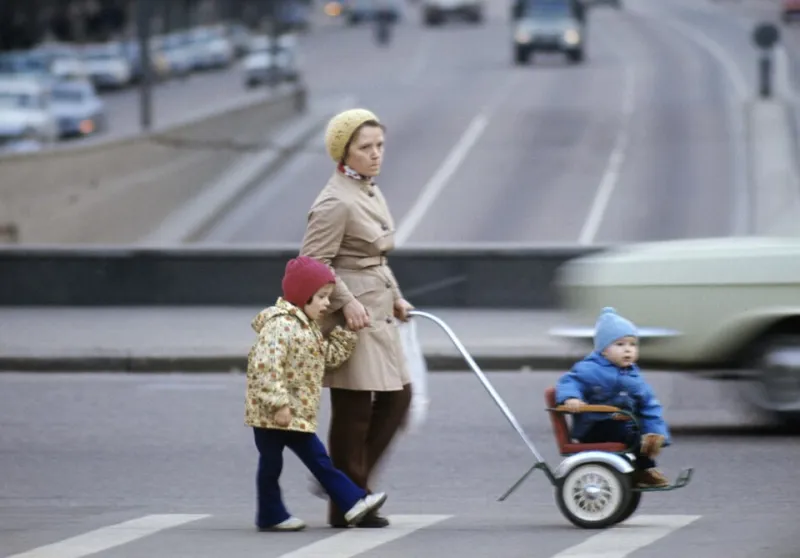
Photo: Paulrudd, CC BY-SA 3.0, via Wikimedia Commons
You remembered the permission slips. You deflected the arguments before they escalated. You learned, somewhere along the way, exactly how to read the room — and how to manage it. While your sibling's addiction pulled focus, you became the one who kept things functional. The one who didn't cause extra problems. The one who was fine.
Maybe nobody handed you that job description. Maybe you were twelve when it started and you didn't even have a name for what you were doing. But over time, it became your role — and now, even years later, even in contexts that have nothing to do with your family, you're still doing it. Still fixing, still smoothing, still carrying things that aren't technically yours to carry.
If that sounds familiar, you're in the right place.
How It Starts (Usually Before You're Old Enough to Object)
When addiction enters a family system, roles reorganize fast. Attention, energy, and emotional resources get pulled toward the person who's struggling — and that pull creates a vacuum. Someone has to keep things moving. Someone has to be low-maintenance. Someone has to be okay.
In a lot of families, that someone is the sibling.
This isn't usually a conscious decision anyone makes. Parents don't sit down and say, "We need you to be the stable one." It's subtler than that. It's the praise you got for being responsible. It's the relief on your mom's face when you didn't need anything. It's learning that asking for help felt selfish when your sibling was in crisis. It's discovering that being capable kept things calmer — and calm felt safer than the alternative.
By the time you're old enough to understand family dynamics, the pattern is already baked in. And patterns that form in childhood are remarkably good at following you into adulthood.
What the Caretaker Role Actually Costs You
From the outside, being the responsible sibling can look like a compliment. And in some ways, the skills you developed are real — you probably are organized, perceptive, and good in a crisis. But there's a difference between having those qualities and being trapped by them.
The cost of chronic caretaking tends to show up in a few specific ways:
You struggle to ask for help. Not because you don't need it, but because needing it feels wrong at a level that's hard to articulate. You learned early that your job was to give, not receive.
Your relationships skew lopsided. You're the friend people call when they're in trouble. You're the partner who manages the logistics, the emotional climate, the hard conversations. You give a lot and quietly resent that it's not reciprocated — but you also don't really know how to change the dynamic.
You've lost track of what you actually want. When your energy has been organized around other people's needs for years, your own desires can start to feel distant or even frivolous. What do you want? It's a harder question than it should be.
You feel guilty when you don't fix things. Even things you have no business fixing. Even other people's problems that have nothing to do with you. The guilt shows up automatically, like a reflex.
Recognizing the Patterns in Your Current Life
One of the trickier things about caretaker patterns is that they don't stay in the family where they started. They migrate.
You might notice them in your friendships — always the one who checks in, always the one who remembers, always the one who shows up. In your romantic relationships, maybe you're drawn to people who need a lot of support, or you find yourself managing your partner's emotions alongside your own. At work, you might be the person who picks up the slack, who smooths over the team conflict, who stays late because leaving feels irresponsible.
None of this makes you a bad person. In fact, a lot of it probably makes people around you feel very cared for. But it's worth asking: Who's doing this for you?
How to Start Stepping Back (Without Burning Everything Down)
Unlearning a role you've been playing since childhood isn't a weekend project. But it's also not as all-or-nothing as it can feel. You don't have to blow up your family relationships or become a different person. You just have to start making different choices, one at a time.
Name what you're doing in real time. Before you jump in to fix, mediate, or absorb someone else's stress, pause for a second. Ask yourself: Is this mine to handle? Do I want to do this, or do I feel like I have to? That gap between want and have to is where your work lives.
Practice letting things be uncomfortable. Caretakers often step in because they can't tolerate the tension of a situation unresolved. But other people's discomfort is not your emergency. Let a family conversation get a little awkward. Let your sibling navigate a problem without your input. The world doesn't fall apart — and you'll start to see that.
Get explicit about your limits. This one's hard, especially in families where your role has been to have no limits. But you can say things like: "I can't be the one to manage this." Or: "I love you, and I'm not the right person to help with that right now." These aren't rejections — they're honest redirections.
Renegotiate, don't just withdraw. If you go from always-available to suddenly distant, it tends to create confusion and conflict. Where you can, name what's shifting: "I've realized I've been taking on too much, and I'm trying to change that." It's a harder conversation, but it's more honest than disappearing.
Find support outside the family system. A therapist who understands family systems and addiction dynamics can be a game-changer here. So can peer communities — people who've lived a version of your story and can reflect it back to you without judgment. That's a big part of why Sibling Strong exists.
You Are Not the Safety Net
Here's what we want you to hear, clearly: your sibling's recovery is not your responsibility. Your family's emotional equilibrium is not your job to maintain. You were handed a role — probably before you were old enough to consent to it — and you played it well. But playing it well doesn't mean you have to keep playing it forever.
Stepping back from the caretaker role isn't abandonment. It's not selfishness. It's the recognition that you are a full person with your own needs, your own limits, and your own life to build — not just a supporting character in someone else's story.
You've been strong for a long time. You're allowed to put some of that weight down.