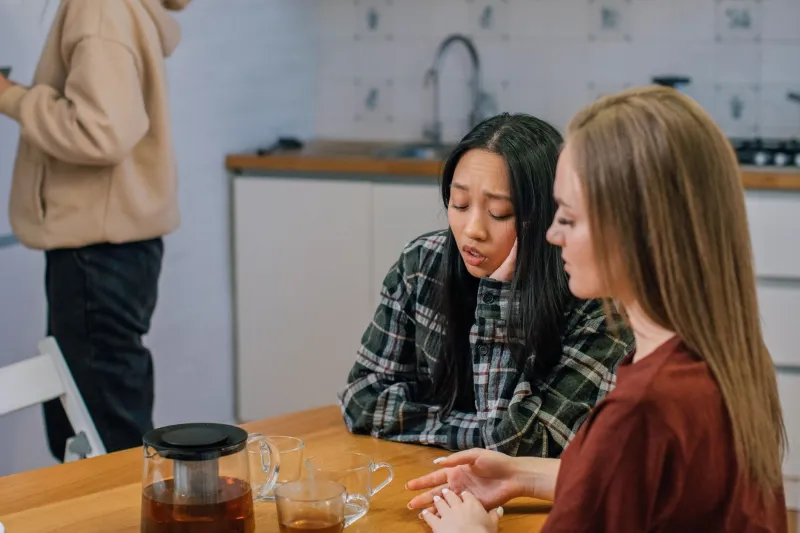
Eyes on Them, Eyes Off You: Breaking the Hypervigilance Habit in Your Sibling's Early Recovery
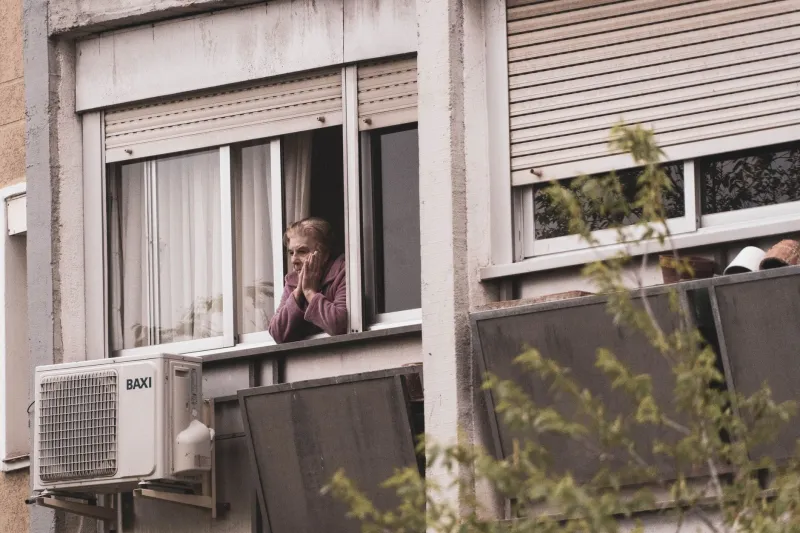
You waited so long for this moment. Your sibling is in recovery. They're showing up, doing the work, maybe even looking like themselves again. And somehow, instead of breathing easier, you're refreshing their Instagram at midnight. You're reading their texts for subtext. You're cataloging every mood shift, every canceled plan, every time they seem a little off.
You're not being paranoid. You're not controlling. You're doing what years of chaos trained you to do: stay alert, stay ready, stay ahead of the next disaster.
But here's the uncomfortable truth — that hypervigilance that once helped you survive is now quietly getting in the way of both of your lives.
Why Your Brain Went Into Watch Mode
When someone you love has been in active addiction, unpredictability becomes your normal. You learned, probably without even realizing it, to scan for warning signs the way other people check the weather. A shift in their tone, a strange phone call, money going missing — your nervous system cataloged all of it and turned it into a threat-detection system running 24/7.
That system doesn't just switch off because they completed a program or celebrated 30 days. If anything, early recovery can feel more nerve-wracking, not less. You know how fragile this window is. You've maybe watched them get sober before, only to see it fall apart. So your brain stays in protective mode, convinced that if you just watch closely enough, you can catch a relapse before it happens.
Psychologists sometimes call this hypervigilance — a state of heightened alertness that's common among people who've experienced prolonged stress or trauma. For siblings of people with addiction, it's practically a survival skill. The problem is that survival skills don't always translate into healthy habits once the immediate danger has shifted.
What Surveillance Actually Costs You Both
When you become your sibling's unofficial monitor — checking in constantly, reading between every line, quietly keeping score of their behavior — it costs you something real. Your mental bandwidth gets eaten up by tracking someone else's recovery instead of investing in your own healing. Your anxiety doesn't go down; it just gets redirected.
And for your sibling? Being watched that closely, even with the best intentions, can feel like suffocation. Recovery asks people to rebuild their sense of agency and self-trust. When every move is being quietly scrutinized, it can undermine exactly the kind of autonomy they need to stay well. It can also breed resentment — even if neither of you ever says it out loud.
There's also this: you cannot actually prevent a relapse by watching hard enough. That's a painful thing to sit with, but it's true. Their recovery belongs to them. The outcome is not something you can control through vigilance, no matter how much love is behind it.
The Difference Between Support and Surveillance
This isn't about pulling back emotionally or pretending you don't care what happens. You can be a present, supportive sibling without turning yourself into an accountability tracker.
Support looks like being available when they want to talk. It looks like showing up for the good stuff — dinner, a walk, a phone call that's just about catching up. It looks like telling them you're proud of them without attaching a "but I'm watching" energy to it.
Surveillance looks like monitoring their location. It looks like interrogating mutual friends or family members for information. It looks like analyzing their social media for red flags. It looks like the mental spreadsheet you're keeping of every suspicious thing they've done this month.
One of those things builds connection. The other one builds walls — and exhausts you in the process.
Practical Ways to Start Stepping Back
Letting go of hypervigilance isn't something that happens because you decide to. It takes actual practice, especially when your nervous system has been in high alert for years. Here are a few places to start:
Name what you're doing. Sometimes just catching yourself in the act — I just checked their location for the third time today — creates enough space to pause and ask why. Awareness is always the first step.
Redirect the energy. When you notice the urge to check in or monitor, try doing something that's specifically for you. A walk, a call to a friend, a show you've been meaning to watch. It sounds simple, but retraining your focus takes repetition.
Talk to someone who gets it. A therapist, a support group, or even a community like this one can help you process the anxiety underneath the watching. The hypervigilance is usually protecting a wound — fear of loss, fear of being blindsided again, fear of going through that pain one more time. That deserves real attention, not just management.
Get honest about your expectations. Are you watching because you genuinely believe something is wrong, or are you watching because you can't tolerate the uncertainty of not knowing? Those are two very different things, and only one of them is about your sibling.
Establish communication that feels mutual. If staying connected matters to you, talk to your sibling about what that looks like for both of you. Maybe it's a weekly check-in call. Maybe it's texting when something big happens. Let it be a two-way conversation rather than you quietly monitoring from the outside.
You Deserve to Stop Bracing
Here's what nobody talks about enough: siblings of people in recovery are often so focused on their loved one's healing that they forget their own nervous systems are still in crisis mode. You spent years bracing for impact. Your body and brain don't know the emergency is over just because circumstances changed.
Your healing isn't conditional on their sobriety holding. You don't have to earn the right to relax by waiting long enough to confirm they're going to be okay. You're allowed to exhale now, even while the outcome is still uncertain.
Stepping back from the scorekeeper role isn't giving up on your sibling. It's trusting them — and trusting yourself — enough to stop running a surveillance operation and start actually living alongside them instead.
That's not detachment. That's love with a little more room in it. And honestly? That kind of love tends to hold up a lot longer.