Before You Go All In: Talking to a New Partner About Your Sibling's Addiction
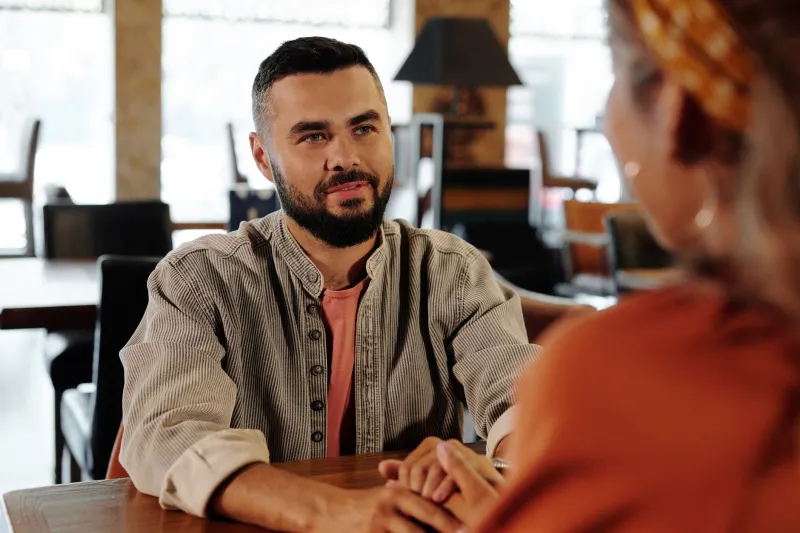
You're a few dates in. Things are going well — maybe really well. And then the question lands: "So, are you close with your family?"
Your stomach does something complicated. Because the honest answer involves your sibling. And your sibling's addiction. And the years of chaos, grief, love, and confusion that come bundled with that story. Suddenly a simple question about your family feels like a trap door.
If you've been here, you already know: figuring out when and how to talk to a new partner about a sibling's addiction is genuinely hard. It's not just about logistics. It's about vulnerability, privacy, trust, and the very real fear of being judged for something you didn't choose. Let's talk through it.
It's Your Story Too — But It's Not Only Yours
Here's the tension that makes this so tricky: your sibling's addiction has shaped your life in significant ways. It's part of who you are, how you relate to people, maybe even why you struggle with certain things in relationships. You can't fully explain yourself without eventually explaining some version of this.
And yet — it's also your sibling's story. Their privacy matters. Their dignity matters. You're not obligated to lay out every detail just because someone asked about your family.
These two things are both true at the same time, and holding them together is the actual work here. You get to share what's yours — your feelings, your experience, your healing — without feeling like you're betraying your sibling or turning their struggles into dinner conversation.
You Don't Have to Disclose on the First Date
Some people feel this pressure to get everything on the table early, almost like a test: if they can't handle this, I need to know now. That instinct makes sense, especially if you've been burned before. But leading with the heaviest parts of your history before you've even established real trust can backfire — not because your story is too much, but because context matters.
There's no universal timeline for when to share something this personal. What matters more is whether you feel safe with this person. Do they listen when you talk? Do they respond with curiosity instead of judgment? Do they share things about themselves that are real and a little messy? That kind of reciprocal openness is usually a better signal than how many dates have passed.
A general starting point: you probably don't need to get into the full picture until the relationship is heading somewhere meaningful. A few weeks of good dates doesn't automatically require full disclosure. But if you're starting to feel emotionally invested — and especially if your sibling's situation is actively affecting your day-to-day life — it's probably time.
What You Actually Have to Say (Hint: Less Than You Think)
You don't owe anyone a comprehensive case file. You don't need to walk through the timeline of relapses, explain every family dynamic, or justify how you've handled things. A lot of people feel like they have to prove that the situation is serious enough to explain their emotional responses, or defend choices they've made. You don't.
A simple, honest starting point might sound something like:
"My sibling has been dealing with addiction for a while. It's been hard on my whole family, and it's shaped a lot of how I operate. I'm not trying to make it the centerpiece of everything, but I also don't want to pretend it isn't part of my life."
That's enough to open the door. You've told them something real. You've given them a chance to respond. And you haven't handed over every private detail of your family's hardest years.
From there, let their reaction guide you. A partner worth keeping will ask thoughtful follow-up questions, share something vulnerable in return, or at least acknowledge that what you shared took something. Someone who immediately pivots to their own stories, gets weird and distant, or starts treating you differently — that's information too.
Anticipating the Reactions That Sting
Even with the right person, this conversation can go sideways in ways that hurt. Some common reactions siblings of people with addiction encounter:
The fixer. They immediately start offering solutions, asking why your family hasn't tried this treatment or that approach. It can feel dismissive, even when it's well-intentioned. You can gently redirect: "I'm not really looking for advice right now — I just wanted you to know."
The over-identifier. They immediately relate it to their own experience — a friend, a coworker, a distant relative — and the conversation becomes about them. It's not malicious, but it can leave you feeling unseen. It's okay to gently steer back.
The silent judger. They say the right words but something shifts. They seem more cautious, like they're now quietly assessing you for signs of damage. This one's harder to address in the moment, but it's worth paying attention to over time. You deserve someone who sees your experience as part of your depth, not a liability.
The genuinely good response. They listen. They ask how you're doing with it. They don't make it weird. They treat you the same. These people exist, and they're worth waiting for.
What This Conversation Might Bring Up for You
Talking about your sibling's addiction out loud — especially to someone whose opinion matters to you — can stir up a lot. Shame, even when you know intellectually you have nothing to be ashamed of. Grief. Protectiveness over your sibling. Anxiety about being seen as broken or complicated.
Those feelings are worth paying attention to, not as signs that you shouldn't share, but as signals about where you might still be carrying weight you haven't fully processed. If you find that every time you try to tell this story you shut down or spiral, that might be worth exploring with a therapist — not because anything is wrong with you, but because you deserve support in carrying something this heavy.
Intimacy Doesn't Require Total Transparency Right Away
Building closeness with someone new is a gradual process. Sharing something real about your life — even something as significant as a sibling's addiction — is one thread in a much larger fabric. You don't have to hand over the whole tapestry on day one.
What you're looking for is a partner who can hold your story with care, who doesn't need you to be uncomplicated, and who understands that loving you means making room for the full picture — including the parts that are still hard.
You've already been doing the work of living alongside something difficult. Letting someone new into that doesn't have to feel like a risk you take all at once. It can be a slow, thoughtful opening — on your terms, at your pace.
And when you find someone who responds to what you share with genuine warmth? That's a really good sign you've found someone worth trusting with the rest.